
Drect Answer
The best guides to reset your nervous system explain fight-or-flight mechanisms clearly, eliminate self-blame, and deliver actionable regulation practices. A comprehensive reading list should help readers decode physical stress signals, prioritize restorative rest, and establish daily routines that make genuine calm easy to reach.
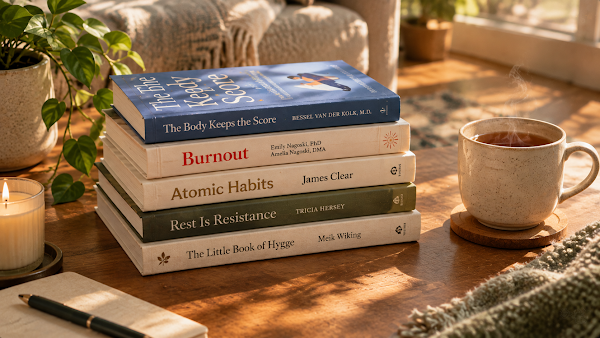
The useful shift is from treating self-care as a reward to treating it as repair. Books can make that repair feel specific enough to start.
Self-Care Becomes Repair When It Gets Specific
Repair asks better questions than generic self-care. What tells the body it is safe, and what makes sleep easier? What emotion keeps asking to be processed instead of ignored?
These books help readers move from vague intention to repeatable regulation.
Five Books That Help Reset Your Nervous System
-
The Body Keeps the Score: Demystifies how physical tissues retain past trauma and stress patterns long after the event passes.
-
Daily practice: Somatic body scanning. Before I touch my phone in the morning, I spend three minutes scanning my body from feet to head, noticing where I’m holding tension, and consciously releasing it on the exhale.
-
-
Anchored: Translates polyvagal theory into accessible, real-world tools for shifting into safety.
-
Burnout: Explains the vital distinction between removing a stressor and finishing the physiological cycle of stress.
-
Daily practice: Discharge stress through movement. After a stressful call or conversation, I don’t just sit there simmering. I shake it out, literally dance for twenty seconds, do ten slow belly breaths, or hug someone. It sounds silly. It works. Read more on completing the stress cycle.
-
-
Why We Sleep: Re-frames sleep as mandatory biological maintenance rather than an optional luxury.
-
Atomic Habits: Details how micro-routines can make long-term physical regulation automatic.
Somatic reading works best when the lesson becomes a practice, not just an idea. The point is to build a calmer relationship with the body one cue at a time.
What These Books Have in Common
-
They explain physical stress reactions: You cannot reset your nervous system by pretending physical alarms do not exist. These authors clarify why physical survival responses activate prior to rational thought.
-
They provide practical regulation strategies: Breathing routines, quality sleep, movement, firm boundaries, and micro-habits become vastly more effective once you understand how they signal safety to your body.
-
They relieve guilt surrounding survival habits: It is common to feel frustrated by chronic anxiety or fatigue. Great somatic books reframe those states as protective mechanisms that can be retrained over time.
How to Use the List Without Overwhelming Yourself
-
Pick one book that addresses the exact challenge you encounter most often.
-
Read at a deliberate speed to monitor how your body responds to the material.
-
Practise one regulation method for a week before introducing a second.
-
Evaluate success by authentic physical relief rather than online trends.
-
Use these texts alongside professional guidance when navigating deeper trauma.
None of this requires quitting your job or overhauling your life. It’s boundaries, breaks, and letting your body finish the stress cycle it’s already trying to complete. A lot of this also comes down to reclaiming a sense of internal locus of control: recognizing that even if you can’t control the stressor, you can control how you respond to it.
Frequently Asked Questions
Can a book really reset your nervous system?
A book cannot replace professional therapy or medical treatment, but it provides crucial body literacy and practical exercises to guide daily regulation.
Which book should you read first?
Start with the title that fits your primary goal: select trauma literature for deeper self-understanding, or habit-focused books for immediate, practical tools.
What is the biggest mistake readers make?
Attempting to turn nervous system regulation into a rigid productivity goal. To successfully reset your nervous system, your self-care practices must feel safe, gentle, and easy to maintain.
Bottom Line
Books can be essential allies when you want to reset your nervous system, transforming vague self-care into concrete physical recovery. The right collection offers clarity, compassion, and realistic steps that gradually restore a sense of ease.
Related Readings:
