Direct Answer
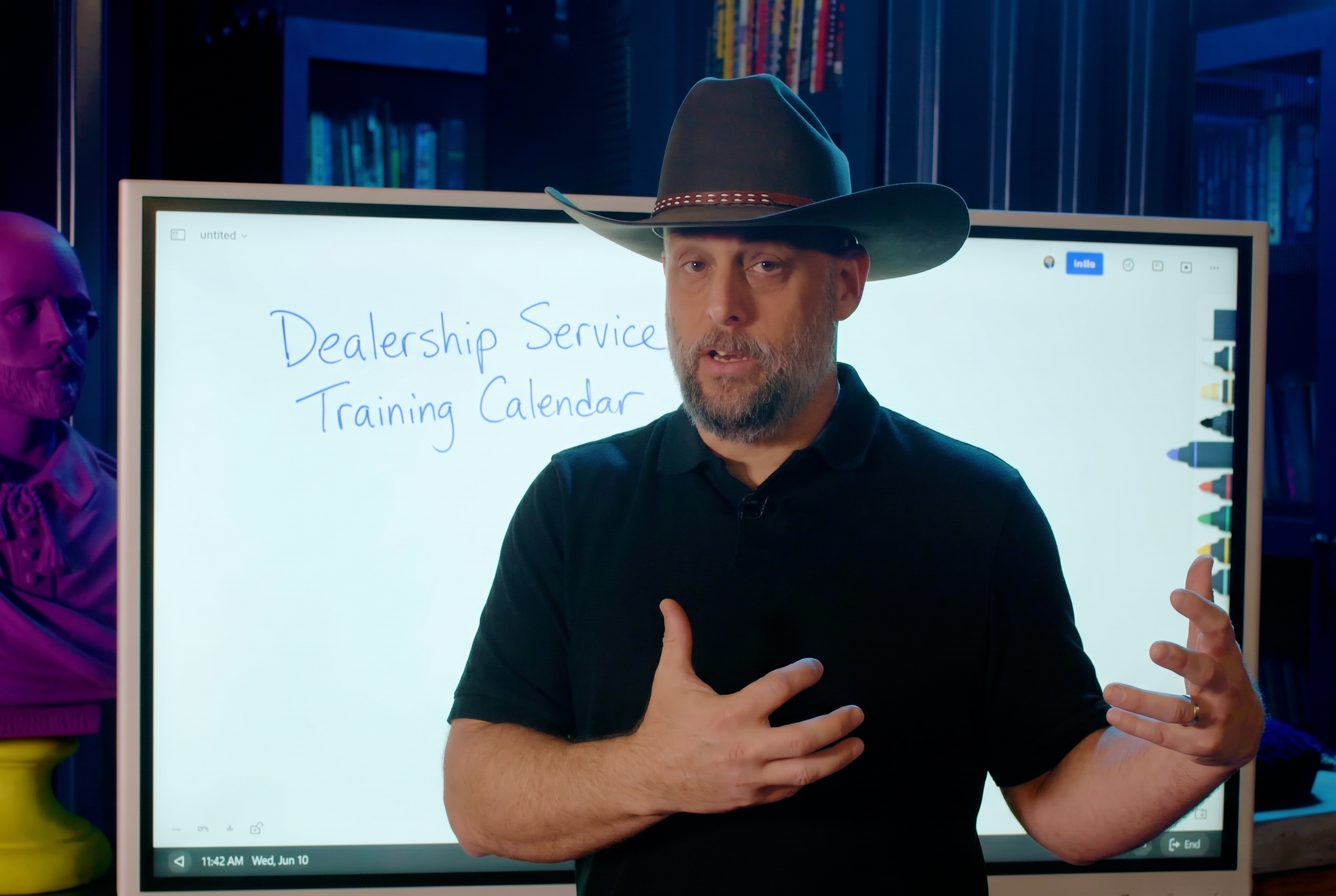
A dealership service training calendar needs an operations plan that keeps customer work moving while employees develop new skills. Managers must coordinate staffing, appointment availability, training space, and technician compensation before each session begins.
Planning these details in advance helps prevent training from being canceled whenever the service drive gets busy. It also gives employees protected time to learn without leaving the rest of the department unsupported.

Key Takeaways
- Training requires a separate customer-coverage plan.
- Rotating employee groups helps maintain service capacity.
- Appointment limits should reflect expected demand.
- Reserved bays and prepared equipment make sessions more productive.
- Flat-rate technicians need paid time for required instruction.
- Managers should review coverage and training results regularly.
Why Operational Planning Matters
Avoid Last-Minute Cancellations
Without a coverage arrangement, managers may cancel training when appointments increase or unexpected repairs arrive. Planning staffing and workload ahead of time makes learning a scheduled responsibility.
Maintain Customer Service
The service drive still needs advisors, dispatch support, and technicians while another group attends training. Clear assignments help prevent delays and confusion.
Give Employees Protected Learning Time
Technicians should not have to choose between attending required training and earning their normal income. Budgeting for paid training time helps remove that barrier.
Build the Training and Coverage Plan
Step 1: Forecast Shop Demand
Review appointment volume, expected repair work, staffing levels, and seasonal demand before selecting training dates. Identify periods when the department can release employees without compromising customer service.
Step 2: Divide Employees Into Rotating Groups
Create alternating groups of advisors and technicians. One group can continue serving customers while the other participates in instruction, then the groups can switch at a scheduled time.
Step 3: Set Capacity Limits
Adjust appointment availability around training sessions. The original plan can include reducing morning online appointment density by 15% and maintaining approximately 50% service-drive capacity during split-shift training, depending on staffing and demand.
Step 4: Prepare Training Space
Reserve a bay for demonstrations, arrange necessary tools and parts, and prepare training vehicles or examples before employees arrive. This avoids wasting protected time on setup.
Coordinate Department Responsibilities
Advisors and Appointment Coordinators
Make sure the customer-facing team knows which advisors are available, which appointments should be limited, and who handles urgent customer requests.
Dispatchers and Technicians
Coordinate active repair orders, technician assignments, and bay availability. Avoid scheduling demonstrations in spaces needed for urgent customer work.
Managers and Training Leads
Assign someone to monitor coverage and someone to lead the session. Employees should know whom to contact if an operational issue requires attention.
Organize Training Across the Year
A dealership service training calendar should still cover the department’s core development needs:
- Technical skills: Diagnostics, inspections, electrical systems, safety, and certifications.
- Customer communication: Walk-arounds, estimates, recommendation presentations, and status updates.
- Operational compliance: DMS procedures, warranty documentation, hazardous waste, and equipment inspections.
Use daily huddles, weekly skill sessions, biweekly technical labs, monthly workshops, and quarterly reviews to maintain a consistent rhythm.
Evaluate the Coverage Plan
After each training block, compare actual customer demand and shop performance with the original coverage assumptions. Review appointment delays, repair-order volume, employee attendance, and whether the planned learning activities were completed.
Monthly coaching and KPI reviews can also show whether training is improving effective labor rate, hours per repair order, customer satisfaction, and repair quality.
Ready to Fill Your Calendar With Proven Fixed Ops Training?
A busy schedule only pays off with the right guidance. Don’t worry! Service Drive Revolution Live Academy gives you a clear blueprint for running your department like a profitable business. You’ll get two live fixed ops training sessions every month with Chris Collins and the CCI coaching team. Together, we tackle real problems, from loading the shop and managing pay plans to fixing culture and driving traffic.
Bring your biggest headaches straight to the live Q&A. You’ll get direct feedback from our coaches and connect with a community of service pros who actually know the job. Plus, your entire team gets unlimited access to 700+ on-demand videos covering everything from advisor skills to hiring technicians. Missed a call? Every session is saved in the vault so you can catch up whenever you have time.
Stop guessing and start winning. Try SDR Live Academy for 30 days! We will help you read the numbers, fix broken processes, and become the leader your store needs.
Book your spot and start transforming your department today at Service Drive Revolution Live Academy.
Frequently Asked Questions
How can a dealership schedule training without disrupting service?
Use rotating groups, forecast appointment demand, reserve training space, and assign coverage responsibilities before each session.
How much service capacity should remain available?
The appropriate amount depends on staffing and expected demand. A split-shift plan may preserve approximately half the service-drive capacity during training, but managers should adjust it to local operating conditions.
Should flat-rate technicians be paid during training?
Required training time should be budgeted so technicians do not lose earnings by attending dealership instruction.
Who should coordinate training coverage?
A service manager or designated operations lead should coordinate staffing, appointment limits, training space, and escalation responsibilities.
How often should managers review the plan?
Review upcoming coverage during weekly production meetings and evaluate results during monthly performance reviews.
Bottom Line
A dealership service training calendar is easier to maintain when learning and customer coverage are planned together. Rotating teams, controlled appointments, prepared training space, and paid instruction allow employees to develop while the department continues serving customers.
We hope you found these insights useful! If so, we’d really appreciate it if you could share this article with your industry colleagues. Don’t forget to follow us so you won’t miss the latest uploads!
Related reading on dealsofdreams.com: Role-playing difficult advisor conversations; Prepared advisors and customer trust.