Direct Answer
The career of JJ Harrison, a rodeo clown professional, merges unscripted arena humor with the critical physical duty of a barrelman protecting bull riders and arena crew. Moving from an eight-year career in public education to a PRCA entertainer, Harrison demonstrates how clear communication, physical courage, quick instincts, and crowd control form a unique western profession.
JJ Harrison did not begin with a conventional entertainment résumé. He earned a master’s degree, taught school for eight years, and entered rodeo clown work as a side gig before the arena became his profession.
An Unusual Route From Education to Rodeo
Harrison earned a master’s degree and taught school for eight years before rodeo entertainment became his primary direction. He started clowning in 2005 as a side opportunity at a Beard Rodeo Company bull-riding event.
A professional card changed the trajectory
In 2007, Walla Walla organizers wanted him at their PRCA event strongly enough to purchase his professional card. That moment helped turn a side gig into a national career.
An Unusual Route From Education to Rodeo
Before entering professional rodeo full-time, Harrison earned a master’s degree in education and taught school for eight years. His shift toward rodeo clowning began in 2005 as a fun weekend opportunity with Pat Beard and the Beard Rodeo Company at a bull-riding event in Vancouver, Washington.
A professional card changed his trajectory. After performing at amateur events across the Pacific Northwest, organizers for the 2007 Walla Walla PRCA rodeo purchased his professional card so he could perform at their event, launching his career across major venues nationwide.
Translating Personality Into Arena Entertainment
Moving from naturally goofy humor to entertaining 8,000 spectators in a packed arena required years of practice. With over 20 years of arena experience under his belt, Harrison relies on a balance of proven comedic bits and quick, live reactions.
The power of unscripted comedy. Harrison estimates that nearly 75% of every show is completely improvised, allowing him to adapt to the crowd, the arena setup, and unscripted moments during competition.
Pre-Show Routines and National Anthem Signals
Hearing the national anthem serves as Harrison’s ultimate professional cue that it is time to go to work. Because every rodeo begins with the anthem, listening to it—even as a spectator at other sporting events—triggers an immediate instinct to prepare for the arena.
Applying his signature face paint marks another vital step in getting ready. During his time at the Benton Franklin Fair & Rodeo, his son also joined the rodeo lifestyle by helping operate an arena camera.
Working Unscripted With Announcer Roger Mooney
During the Horse Heaven Round-Up Rodeo, Harrison works alongside veteran announcer Roger Mooney. Rather than relying on a rigid script, the two keep their interaction natural and spontaneous. Harrison offers brief cues on where a bit might go while leaving plenty of room for real-time banter.
Prioritizing truth and respect
Audiences pick up on over-rehearsed routines. A flexible approach also allows them to pause the comedy immediately and show appropriate respect if a contestant or animal is injured in the arena.
How Dangerous Is Being a Rodeo Clown?
While fans focus on the humor, JJ Harrison rodeo clown duties involve serious physical risk during bull riding. He is a barrelman. Harrison moves his protective barrel around the arena to draw charging bulls away from fallen riders and bullfighters.
Serving as an arena shield
Harrison actively positions his barrel to absorb impacts so bullfighters can shelter behind it, requiring timing, athleticism, and a willingness to place himself in harm’s way to protect others.
Returning Home to the Benton Franklin Fair and Rodeo
Performing at the Benton Franklin Fair & Rodeo in Kennewick for roughly 16 or 17 years feels like a true homecoming for Harrison. Beyond the new stadium, he places immense value on the personal relationships built with the fair board, rodeo committee, and local fans over the years.
What Teaching Contributed to the Arena
The shift from educator to arena entertainer was seamless in surprising ways. Classroom teachers excel at reading audience engagement, simplifying concepts, adapting when plans change, and holding the attention of large groups. Harrison’s background in education provided a communication foundation that continues to support his live performances today.
Career reinvention can preserve earlier skills
JJ Harrison rodeo clown work shows that a career change does not erase the value of prior experience. His education background became part of the communication toolkit that supports his live performance.
A side gig became a professional identity
The 2005 Beard Rodeo Company opportunity provided a low-risk entry point. Consistent performance across amateur events, followed by the PRCA card in 2007, turned experimentation into a durable career path.
Watch the Full Speck Interview
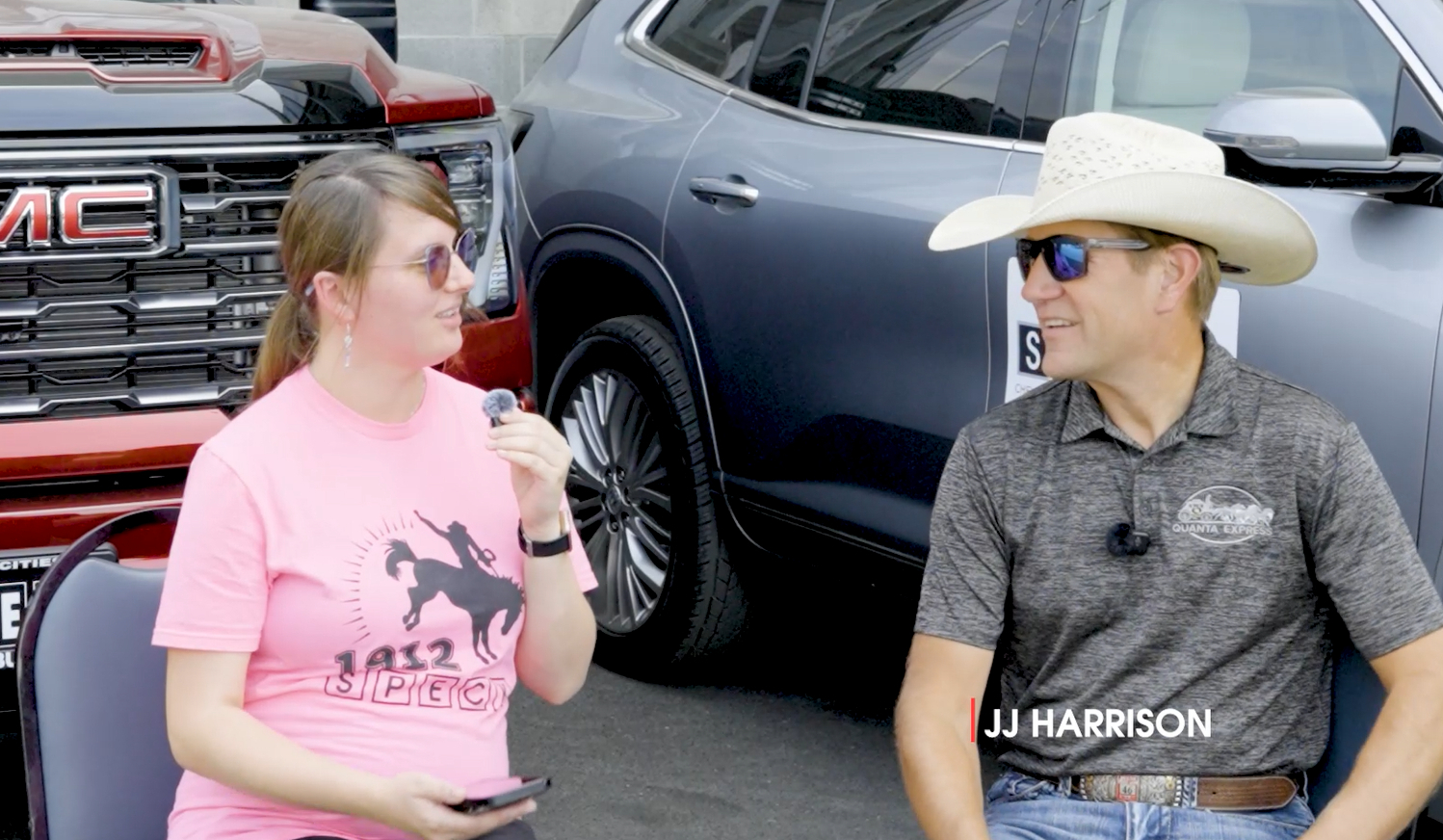
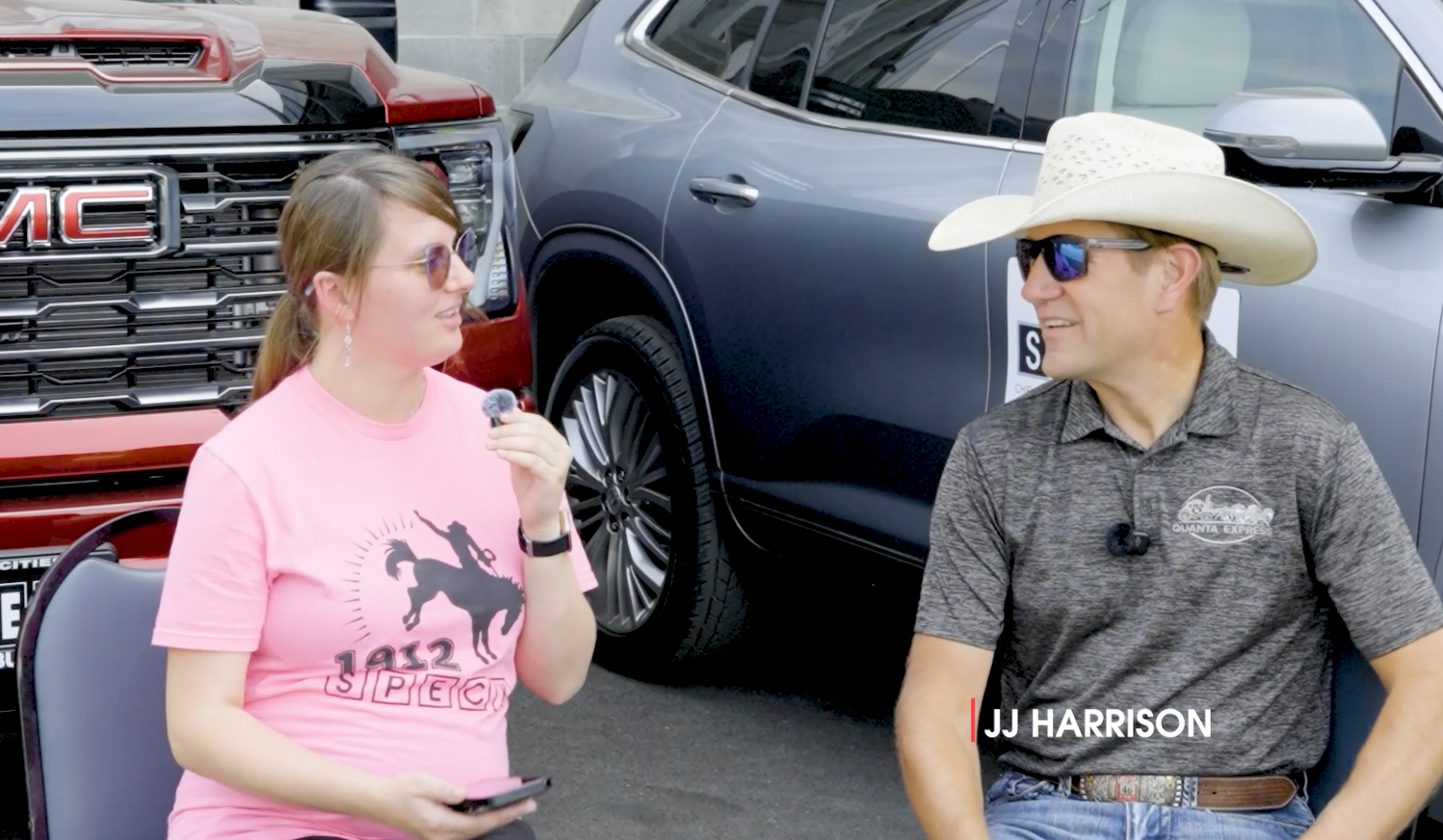
In an interview with Kimberly Howard of Speck Dealerships, Harrison shares insights into his journey, funniest costumes, favorite fair foods, family involvement, and what creates a great night at the Horse Heaven Round-Up Rodeo.
You can watch the entire interview with JJ Harrison online.
Bottom Line
JJ Harrison rodeo clown performances succeed because humor, improvisation, safety, and community trust operate together. The laughter is real, but so are the skill and risk behind it.
Related reading on dealsofdreams.com: The Sunnyside Dealership Legacy Behind Speck Motors; Work Trucks Built for Washington Farmers.
